
Music Therapy
Pioneers make a lasting impact


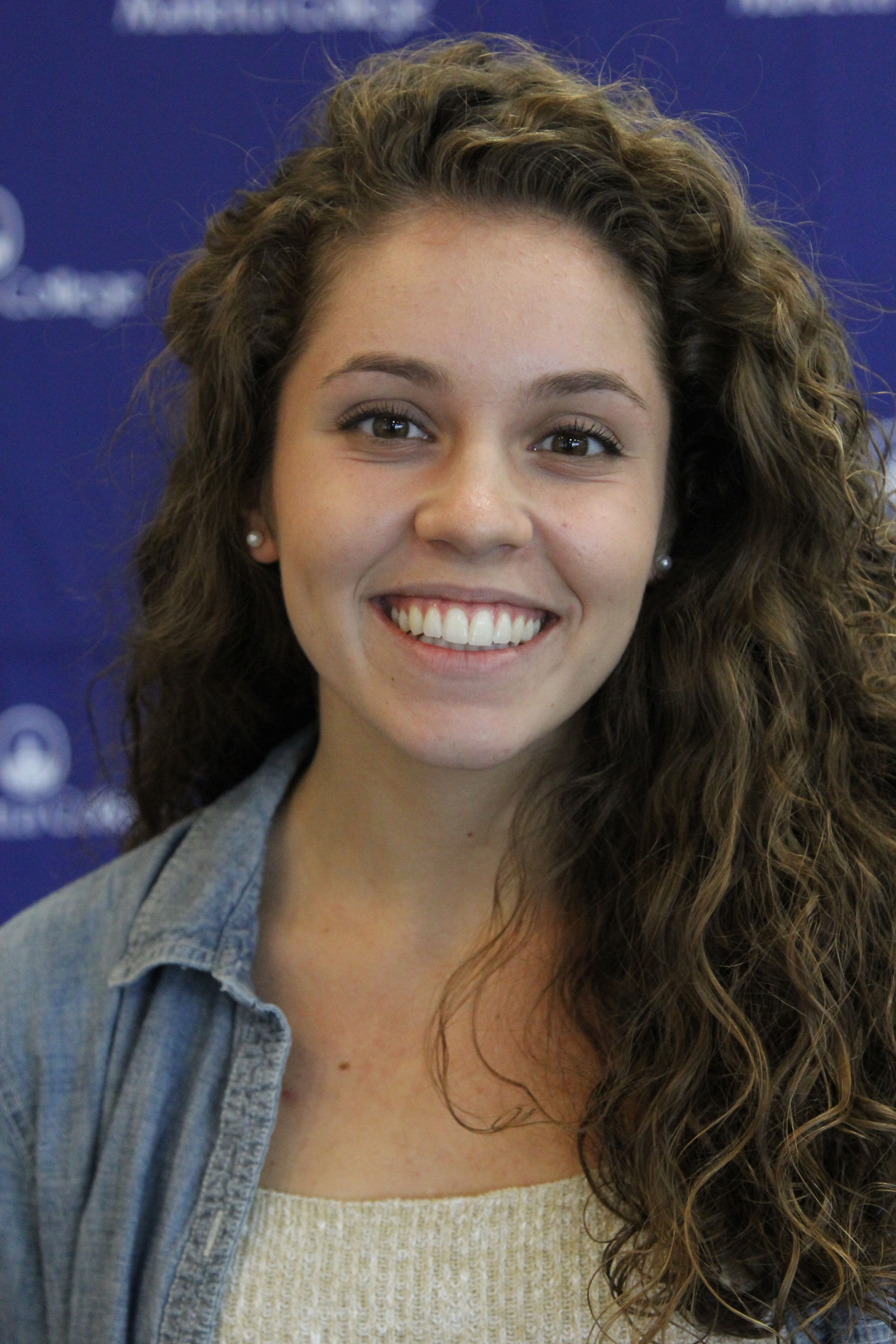
Sadie Johnson ’21Music Therapy major
Sadie Johnson ’21Music Therapy major
When Marietta College alumni couple Don ’81 and Leslie Straub Ritter ’85 announced they were making a million dollar gift to Marietta to establish a Music Therapy Program, Sadie was among the first students to sign up after discovering her passion for helping others through music. A talented professional blues guitarist, Sadie first learned about the College through Don when she was on tour in high school.
“But he persisted and told me about Marietta, where he went. He said, ‘I want to start a music therapy program there and I want you to be the first to graduate from it.’ That’s a lot of blind faith in me. Of course, my dad was standing there and said, ‘Yes, sign her up.’ ”
It takes a passion for music and a commitment to helping others to become a successful music therapist.
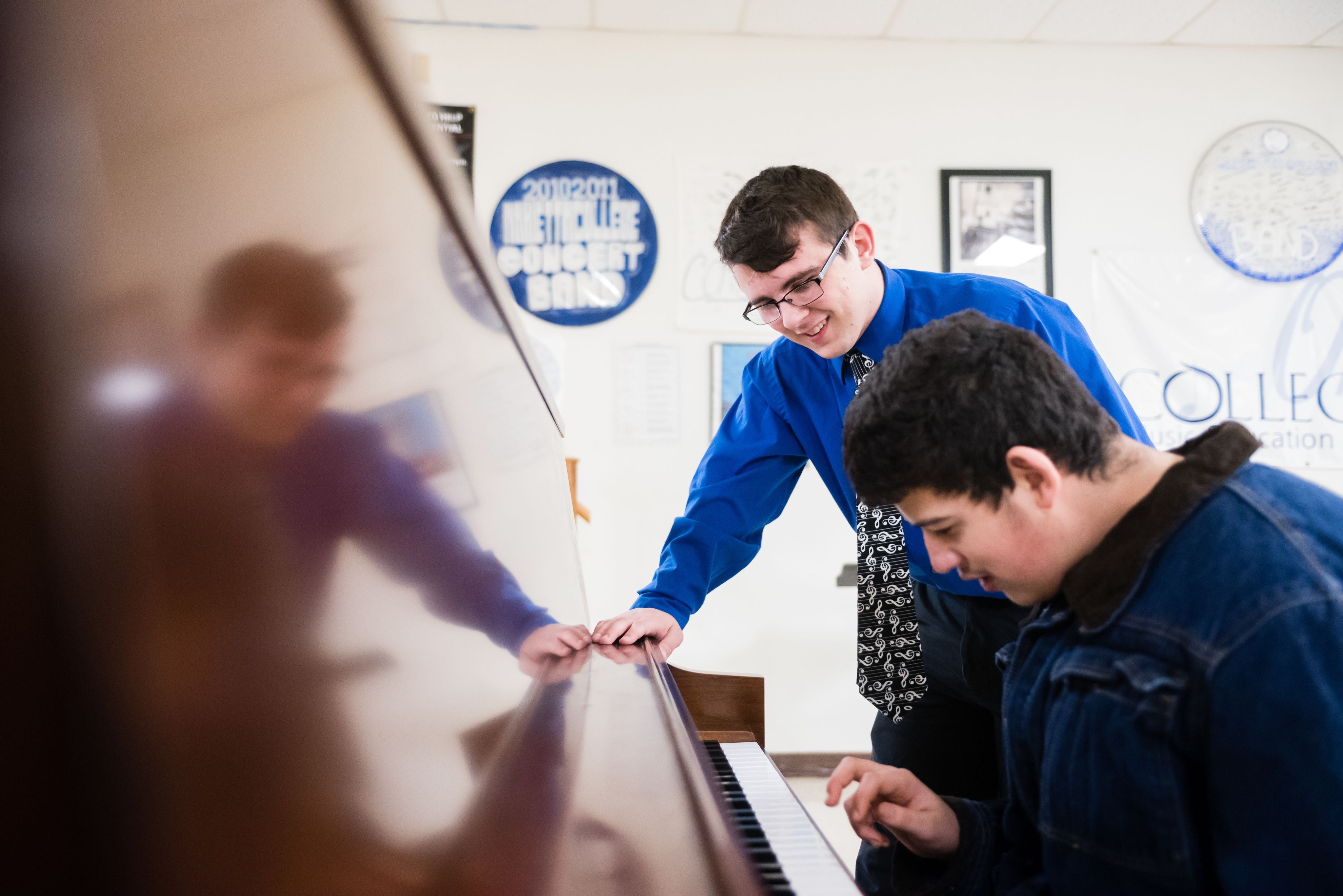
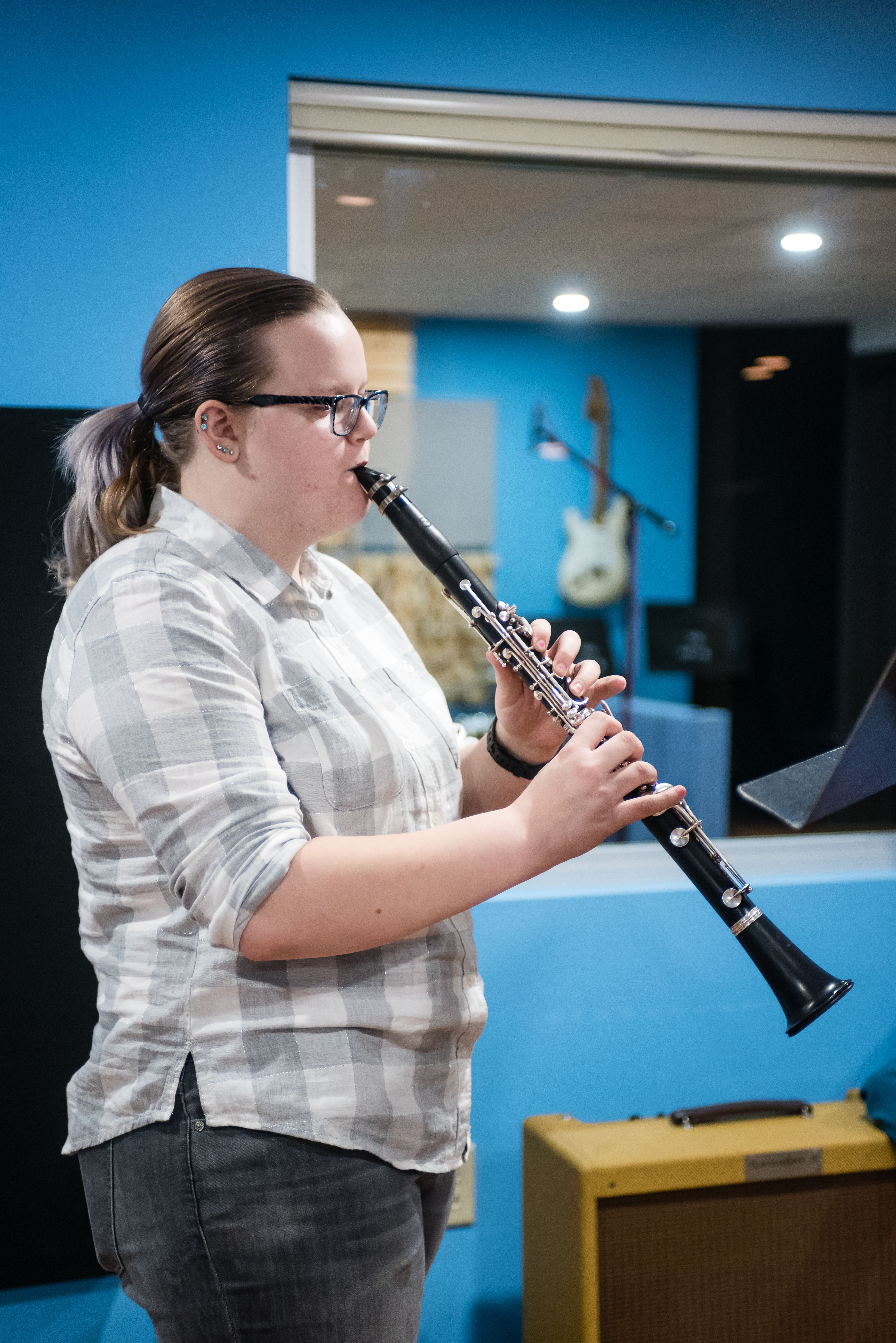
Marietta College’s Music Therapy Program prepares students to make a difference in the lives of their clients by providing an in-depth core curriculum, numerous experiential learning opportunities and a top-notch space to hone their talents.
Music therapy is the clinical and evidence-based use of music interventions to accomplish individualized goals within a therapeutic relationship. Board-certified music therapists are trained to work in medical, psychiatric and educational settings to help improve a client’s psychological, physiological, cognitive and emotional functioning and well-being, according to the American Music Therapy Association.
This program is a 4.5-year (post-academic clinical training) degree program that results in a Bachelor of Music in Music Therapy. Graduates are eligible to take the national examination of the Certification Board for Music Therapists, which qualifies them for professional work in the field once successfully completed. The Music Therapy Program is fully accredited by the American Music Therapy Association and is approved by the National Association of Schools of Music.
With an education that is deeply rooted in the liberal arts, our graduates possess skills that employers value.
Curriculum
In addition to a liberal arts core curriculum, Music Therapy majors prepare for careers in their field by completing a rigorous course load:
- Music Theory (levels I-IV)
- Keyboard Skills (levels I-IV)
- Aural Skills (levels I-IV)
- Beginning Conducting
- Music History I & II
- World Music
- Voice for Music Therapists
- Guitar for Music Therapists
- Intro to Music Therapy
- Observation & Assessment
- Psychology of Music
- Theories in Music Therapy
- Music Therapy Foundations I-III
- Fieldwork in Music Therapy I-IV
- Functional Music Skills I-III
- Music Therapy Research
- Music Therapy Internship
- Intro to Psychology
- Statistics for Behavioral Science
- Research Design
- Abnormal Psychology
- Health Psychology
- Stress Management
- Integrated Arts for Diverse Learners
- Junior Recital
- Applied Study (six hours)
- Recital Requirement
- Ensemble Participation (eight hours per semester)
- Piano Proficiency
- Aural Skills Proficiency
- Senior Capstone








Facilities
McKinney Hall is home to the Don Ritter ’81 and Leslie Straub Ritter ’85 Music Therapy Program, which includes three offices, a workroom, a reception seating area and a conference room. The clinical areas of the complex offer two large individual/group clinical rooms, a small clinical room, and two observation rooms — all equipped with video cameras, recording capabilities, and connectivity both verbally and visually between the clinic space and the observation areas. The facility also includes a secure private server, classroom space and additional conference areas.
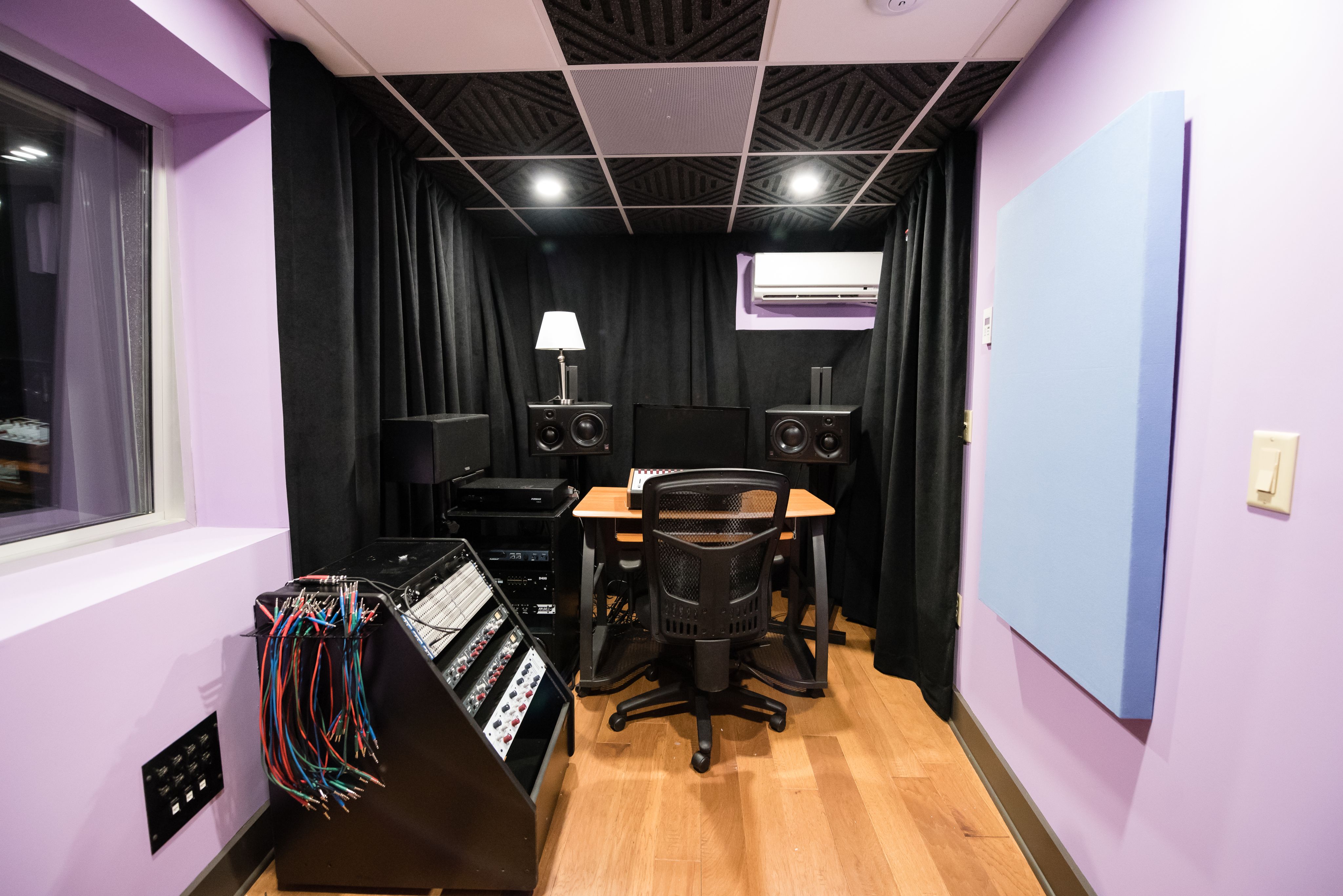
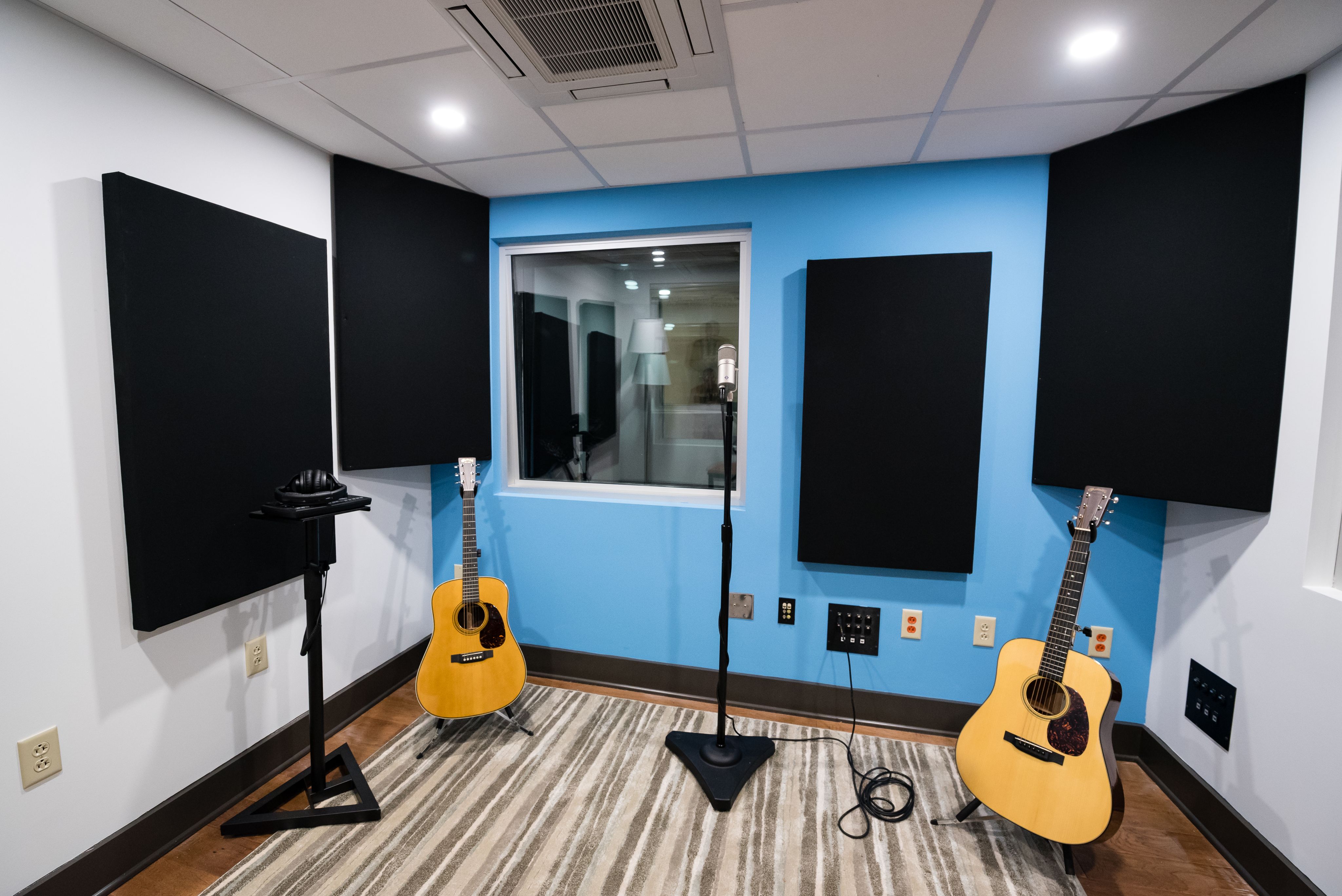
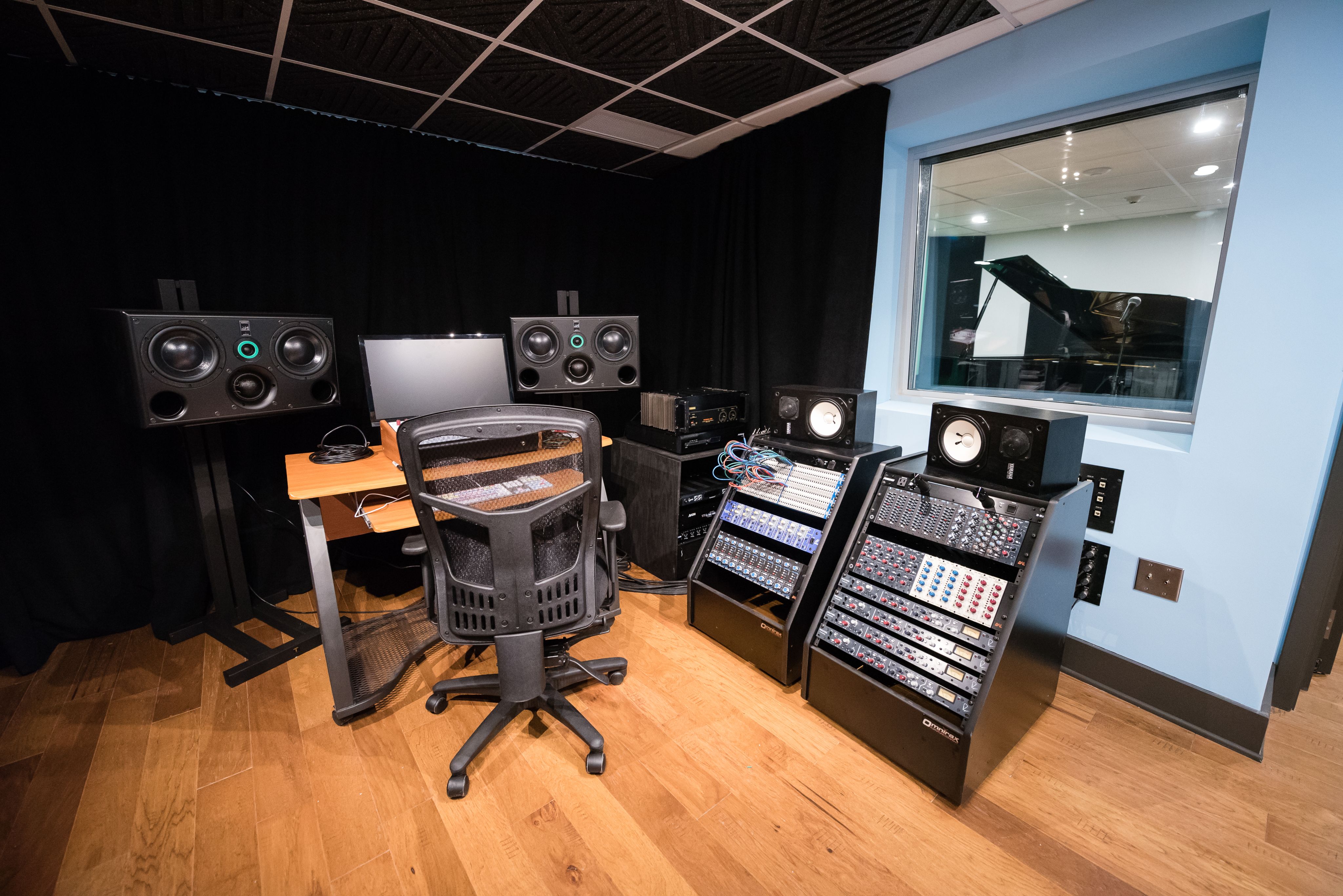
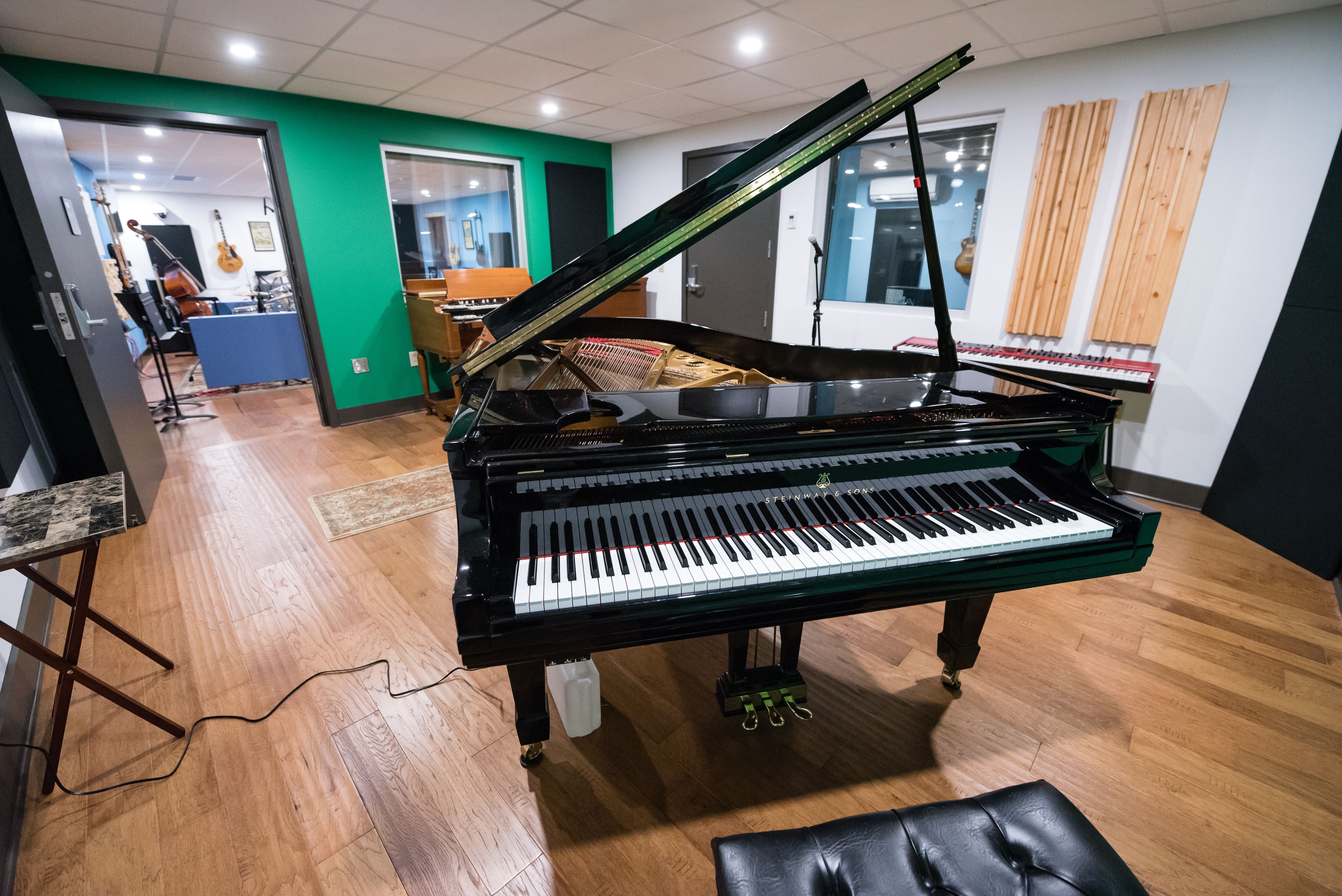
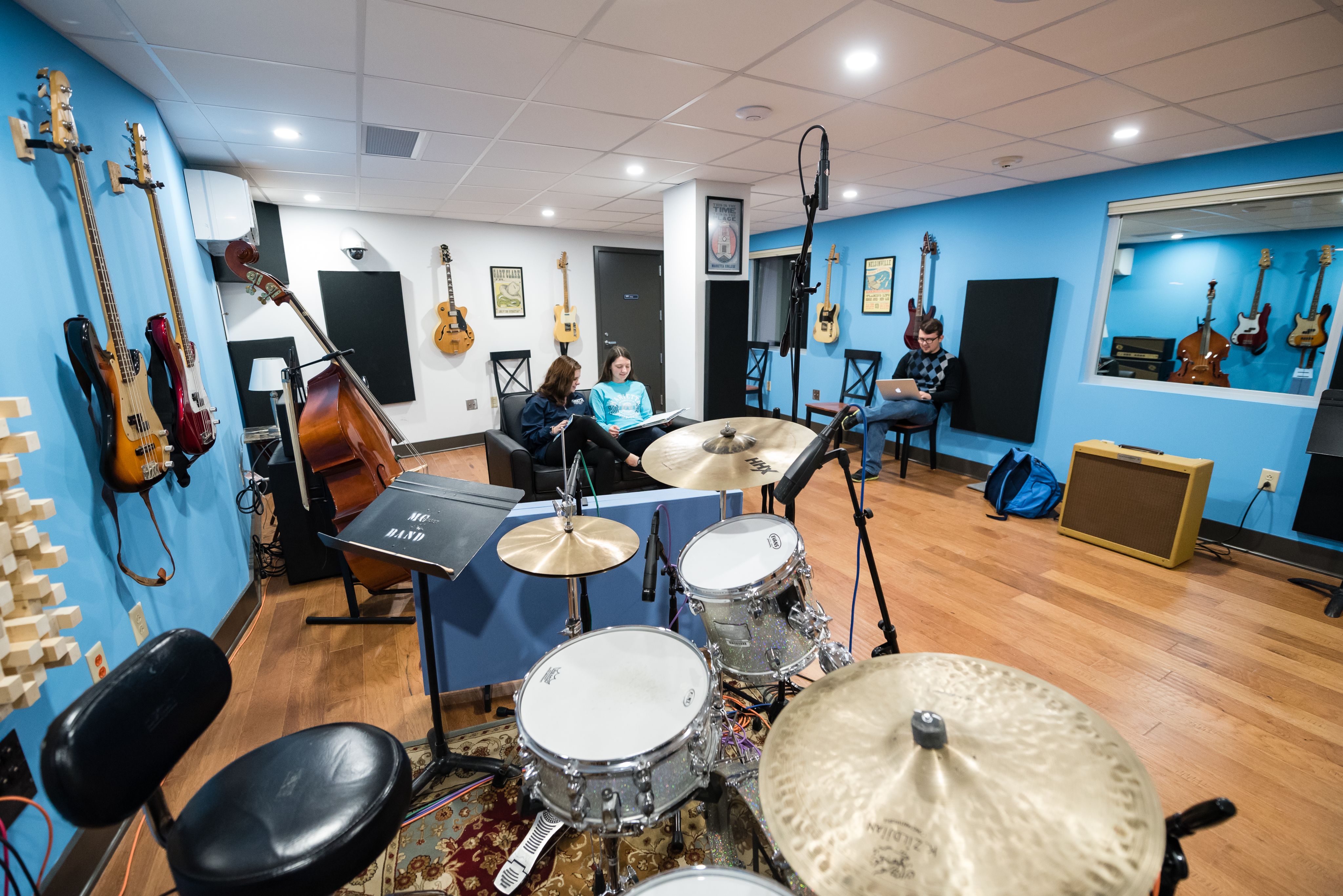
The Dream Weaver Recording Complex, which is equipped with all of the tools students need to create world-class recordings, is located within McKinney Hall. The complex features two state-of-the-art control rooms adjacent to the studio for learning & editing in Avids Pro Tools software, nearly 100 microphone inputs, the Ann Bailey Piano Room, and numerous guitars, basses, Category 5 Amplifiers, keyboards and drums — all available for student use.
Hermann Fine Arts Center features smart classrooms, practice rooms, a keyboarding room, teaching studios, a choir room and faculty offices.
Marietta College Band Rehearsal Hall is a fully renovated space that provides 24/7 access to students. The hall is equipped with the latest acoustic treatments, numerous stereo speakers, projectors and screens, a 75-inch smart TV, and has recording capabilities. Additionally, there are four Wenger Sound Loc practice rooms, a Wenger Storage Library with conference space and study tables, and individual instrument storage lockers.
Mills Hall is home to Marietta’s Department of Psychology, and contains classroom spaces, clinical and observation rooms, a reception area, and research areas.
Honor Societies and Student Organizations
Music-related majors and non-majors who excel in a variety of areas are inducted to Mu Psi Kappa, a national music honorary. Candidates are evaluated by full-time Music faculty on a set of 10 criteria, including grade point average, scholarship, dependability, ability to take guidance and corrections well, being a strong member of a music ensemble, setting a proper example for fellow students, leadership skills, good decision-making skills, going beyond the expected, and acceptable musical growth in both ensembles and applied lessons.
Other Organizations:
- CNAfME (College National Association for Music Education)
- ACDA (college chapter of American Choral Directors Association)

Instrumental Ensembles
- Symphonic Band
- Wind Ensemble
- Jazz Ensemble
- Chamber Ensembles
- New Music Ensemble
- Pep Band
Scholarship Opportunities
Any student, regardless of major, is eligible for between $1,500 and $5,000 per year (renewable) to be in our ensembles. Students will need to schedule an audition prior to their freshman year to be eligible.
Vocal Ensembles
- Concert Choir (mixed)
- Treble Choir
- Bass Choir
- Oratorio Chorus
- Floodstage (Contemporary A Cappella)
- Opera Scenes
- Vocal Chamber Ensemble Opportunities
Department Contacts
Jay Dougherty, Chair of the Music Department, Assistant Professor
Director of Choral Activities
jd008@marietta.edu
740.376.4689
Brent Beeson, Director of Music Therapy, Assistant Professor
beb003@marietta.edu
740.376.4839
Nils Landsberg, Assistant Professor, Band Director
nfl001@marietta.edu
740.376.4686
Amy Yekel, Assistant Professor, Director of Voice
aly002@marietta.edu
740.376.4696
Jordan Reed, Instructor of Saxophone, Director of Jazz Ensembles, Recruitment Specialist
jtr003@marietta.edu
740.376.4696


 Built with Shorthand